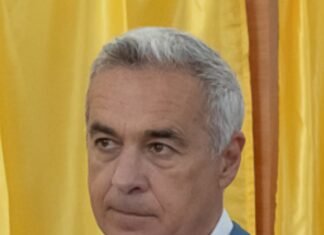
In recent developments, Belarus, a close ally of Russia, has announced its failure to secure the necessary visas to attend the inaugural meeting of the Peace Council, a gathering convened by U.S. President Donald Trump. The Belarusian Foreign Minister, Maxim Rîjzenkov, was expected to be part of this significant occasion. However, despite fulfilling all necessary formalities for visa acquisition, the Belarusian authorities reported that the visas were not granted. This situation has sparked discussions regarding the genuine commitment to peace, particularly considering Belarus’s challenges in engaging in international diplomatic discussions.
President Alexander Lukashenko, who has been in power since 1994, recently accepted an invitation to join the Peace Council. This council aims to facilitate the normalization of international relations, particularly through efforts focused on the release of political prisoners. President Trump referred to Lukashenko as a „very respected” leader, a description that has been met with skepticism and backlash from the Belarusian opposition, who staunchly contest this characterization. The conflicting views on Lukashenko’s leadership highlight the ongoing tensions within Belarus, as well as the broader struggles for democratic reforms.
The establishment of the Peace Council by Trump comes amidst a backdrop of global conflict, including efforts to address the ongoing war in Gaza. By inviting leaders from various countries, Trump seeks to create a platform where discussions can foster understanding and resolution. However, the absence of Belarus at this pivotal assembly raises concerns about the effectiveness of diplomatic outreach and reconciliation efforts. The denial of visas not only prevents Belarus from participating in crucial discussions but also underscores the complexities and barriers that hinder international cooperation.
Lukashenko’s willingness to engage with the Peace Council reflects a cautious approach to international relations, particularly given Belarus’s historical ties with Russia. His long-standing regime has faced significant domestic and international challenges, and the invitation to the council may represent an opportunity to shift perceptions and cultivate a more favorable diplomatic stance. Nevertheless, the failure to obtain visas can be interpreted as a setback, not just for Lukashenko, but for the peace-building initiatives Trump aims to promote.
The legitimacy of the Peace Council will largely depend on the inclusion and active participation of varied global representatives. The conditions under which Belarus is able to engage in such dialogues will play a crucial role in shaping future interactions. As tensions remain high not only in Belarus but across various regions experiencing conflict, the dynamics between nations like the U.S. and Belarus will require careful navigation.
In conclusion, the current situation illustrates the intricate nature of international diplomacy and the myriad factors that influence participation in peace initiatives. The challenges faced by Belarus in obtaining visas for the Peace Council signal deeper concerns about commitment to dialogue and reconciliation. Moving forward, it will be essential for all parties involved to address these issues and strive for genuine engagement in the pursuit of lasting peace. As the world watches, the effectiveness of the Peace Council in bringing about substantive change will depend on its ability to foster inclusivity and address the underlying issues that drive conflicts globally.