According to the latest findings from the Barometer conducted by Informat.ro and INSCOP, a significant portion of the Romanian population believes in the existence of energetically charged locations within the country. Specifically, 51.4% of Romanians agree with the statement that certain places in Romania have an energetic influence on individuals’ well-being. In contrast, 37.8% of respondents disagree with this notion, while 10.9% declare themselves uncertain or unable to express an opinion on the matter.
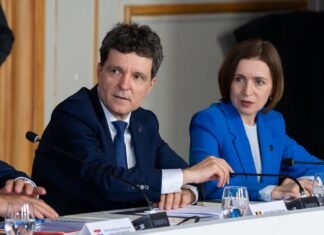
This sociological research will be officially launched today at 11 a.m. during an event co-hosted with the Romanian Peasant Museum (Muzeul Țăranului Român). The presentation of the study is set to be followed by a lively debate featuring a diverse panel. Among the speakers are Remus Ștefureac, the director of INSCOP Research; Vasile Bănescu, a member of the National Audiovisual Council (CNA); journalist Vlad Petreanu; anthropologist Camelia Burghele; and Virgil Nițulescu, the director of the Romanian Peasant Museum. The event will be moderated by Liliana Munteanu, who oversees special projects for Informat.ro and NewMoney.
This discussion offers a unique opportunity to delve deeper into the implications of the findings, exploring the intersection of belief, culture, and the mysterious aspects of Romanian heritage. The notion that certain locations could possess a unique energy compelling enough to affect human emotions and states of mind resonates with a cultural backdrop rich in folklore and traditional practices.
As the dialogue unfolds, panelists will likely examine various interpretations of „energetic places.” These might include historical sites, natural landmarks, or regions associated with spiritual significance. Given Romania’s diverse landscape, which ranges from the Carpathian Mountains to the scenic Danube Delta, there is no shortage of locations that could be deemed as holding unique energies.
The research findings are particularly intriguing in the context of Romania’s cultural identity, which has long been influenced by a mix of ancient traditions and modern beliefs. This event provides a platform not only for presenting statistical data but also for fostering a broader understanding of how cultural perceptions can shape individual experiences within designated spaces.
For those unable to attend in person, the event will be live-streamed on the Informat.ro Facebook page, allowing a wider audience to engage with the discussion. This accessibility reflects a growing trend towards digital engagement in academia and public discourse, where audiences can participate in conversations that shape societal understanding.
In conclusion, the belief in energetically charged places taps into a broader exploration of how environment and culture intertwine. As this debate unfolds, it is expected to spark further interest and dialogue regarding the role of geography in shaping human experience. The event not only highlights the findings of the survey but also represents a convergence of intellectual thought and cultural reverence—a testament to Romania’s rich tapestry of beliefs and traditions. The ongoing conversation around these themes continues to offer insights into the collective psyche of a nation, providing a fascinating glimpse into the ways that culture and nature coalesce.