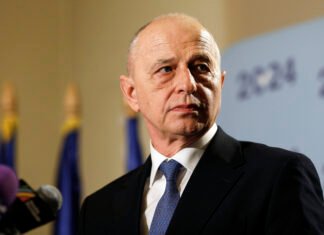
The Minister of Education recently addressed a concerning trend in the allocation of teaching hours, specifically focusing on the number of hourly pay positions available. Last year, there were approximately 30,000 hourly contracts for teachers, a figure that has now diminished significantly. According to the Minister, this year, the number of such positions is likely to drop to around 15,000.
This sharp decline in the availability of hourly paid teaching positions raises several important questions regarding the current state of the educational workforce and its future sustainability. The Minister clarified that this discussion pertains exclusively to hourly pay positions, excluding permanent teaching hours and supplementary contracts for substitute teachers.
The reduction in hourly teaching roles reflects broader challenges within the education system. Factors influencing this downturn may include budget constraints, changes in student enrollment numbers, and efforts to optimize teaching resources. By transitioning away from a reliance on hourly contracts, educational institutions might be attempting to create a more stable and consistent workforce, potentially ensuring better quality education for students.
However, this change also brings about concerns for many educators who rely on hourly contracts to supplement their income. The diminishing availability of such positions could lead to financial insecurity for these individuals and may deter prospective teachers from entering the profession. The impact of these changes is likely to be felt most acutely in regions that are already facing difficulties in hiring qualified educators.
Moreover, it is essential to consider how this reduction in hourly contracts will affect class sizes, overall educational quality, and student outcomes. Teachers in hourly positions often play a critical role in providing personalized support to students, especially in subjects that require additional attention or tutoring. Fewer available teaching hours could mean larger class sizes, resulting in less individual attention for students and potentially impacting their academic performance.
The Minister’s comments also signal a need for a comprehensive evaluation of the education budget and resource allocation within the system. A more strategic approach is necessary to address the needs of both educators and students effectively. Moving forward, it will be crucial for policymakers to collaborate closely with educational institutions to ensure that resources are distributed in a manner that prioritizes quality education while also supporting the teachers who are fundamental to this goal.
As the situation evolves, ongoing dialogue between the Ministry of Education, school administrators, and educators will be essential. Stakeholders must work together to find solutions that not only address the immediate financial and logistical challenges posed by the reduction in hourly teaching positions but also set a foundation for a more resilient and effective educational system in the long run.
In conclusion, the Minister of Education’s announcement regarding the significant decline in hourly teaching positions invites a broader discussion on the current state of education in the country. As the sector grapples with this transformation, the emphasis must remain on creating an environment that fosters both teacher stability and student success. A balanced approach can lead to beneficial outcomes for all parties involved in the education sector.