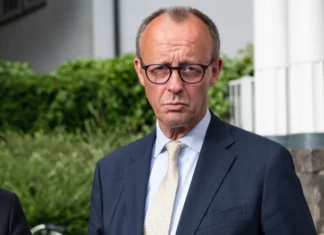
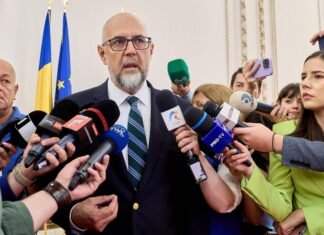
The Minister of Labor has expressed that the Prime Minister’s decision to postpone the increase in the minimum wage is a „wise” choice. This statement comes despite the fact that the Social Democratic Party (PSD) publicly supports raising the minimum wage.
The deliberations around the minimum wage are crucial, particularly in a time when economic conditions are fluctuating. The Minister emphasized that while the PSD is committed to advocating for higher wages, there are various factors that need to be taken into account before implementing such increases. The focus should be on balancing economic stability with the needs of workers.
In this context, the Prime Minister’s decision reflects a broader strategy aimed at ensuring that any salary growth is sustainable in the long run. The government aims to avoid potential inflationary pressures that might arise from abrupt wage increases, which can impact the overall economy negatively. By delaying the wage hike, the government hopes to preserve jobs and foster a healthier economic environment.
This decision has drawn mixed reactions. Supporters of the delay argue that a measured approach to wage increases is necessary, especially in light of recent economic challenges. They assert that an immediate raise could lead to unintended consequences, such as job losses or increased costs for businesses that could jeopardize their survival.
Conversely, critics of the postponement argue that it undermines the financial well-being of low-income workers who are in dire need of higher wages to cope with rising living costs. They believe that failing to act on increasing the minimum wage is a disservice to those workers, many of whom are struggling to make ends meet amid growing inflation. The disparity between the cost of living and wages is a growing concern, and advocates for immediate wage increases feel that the government should prioritize worker welfare.
The discussion surrounding the minimum wage is emblematic of broader societal debates about economic policy and worker rights. Proponents of wage growth often cite studies showing that increasing the minimum wage can stimulate economic activity by boosting consumer spending, as lower-income earners tend to spend a higher percentage of their income.
While the government remains focused on long-term economic viability, it also faces pressure from constituents who feel that immediate action is necessary. Striking a balance between these competing interests is complex and requires careful consideration of the long-term implications of wage policies.
As these discussions continue, it will be essential for all stakeholders—government officials, business leaders, and workers—to engage in a dialogue that prioritizes both economic stability and the health of the workforce. Ultimately, the goal should be to find a path that allows for gradual and sustainable increases in wages while ensuring that businesses can thrive and contribute to the economy.
In conclusion, the Minister of Labor’s support for the Prime Minister’s decision highlights the delicate balance required in managing economic policies. While the commitment to increasing the minimum wage remains, timing and implementation must be approached thoughtfully to foster a robust and sustainable economic future for all.