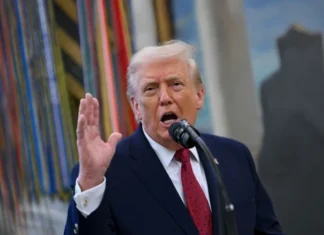
On March 16, the Mexican Ministry of Economy will initiate the first official round of bilateral discussions with the United States regarding the review of the United States-Mexico-Canada Agreement (USMCA). This agreement is an important trade framework, and its review takes place every six years. The upcoming negotiations are particularly significant due to the backdrop of tariff pressures imposed by President Donald Trump, who has suggested the possibility of withdrawing from the treaty if outcomes do not align with U.S. interests.
The USMCA, which replaced the North American Free Trade Agreement (NAFTA), plays a crucial role in the economic relationships among Mexico, the U.S., and Canada. Its provisions cover a wide range of sectors, including agriculture, manufacturing, labor rights, and digital trade, which makes the brainstorming sessions essential for ensuring ongoing cooperation and prosperity among the three countries.
These discussions aim to address various pressing issues, including trade imbalances, labor market conditions, and environmental protections. The current geopolitical climate has heightened the urgency for these negotiations, as tensions and uncertainties can drastically impact trade flows and economic stability.
During the previous rounds of discussions, both Mexico and Canada expressed concerns about U.S. tariffs and regulatory policies that could disrupt the free flow of goods and services. The upcoming discussions will allow for a platform where representatives from all three countries can voice their perspectives, negotiate concessions, and potentially recalibrate the provisions of the agreement to better reflect current economic realities.
In addition to addressing tariffs, the negotiations will likely focus on intellectual property rights, the automotive industry, and e-commerce, aiming to create a more equitable playing field for all parties involved. As countries adapt to rapidly evolving economic landscapes, it is vital that the USMCA reflects modern trade practices and policies that accommodate advancements in technology and changes in consumer expectations.
Furthermore, this round of negotiations is set against a backdrop of increasing calls for fairer labor practices and environmental protections in trade agreements. Labor rights advocates will likely push for enhanced protections and standards in Mexico to ensure workers are treated fairly, which could, in turn, affect manufacturing costs and competitiveness. Similarly, discussions about environmental sustainability will look to establish clearer guidelines for how trade practices can align with climate change action.
The outcome of these discussions will be pivotal not only for U.S.-Mexico relations but also for the broader North American economy. A successful revision of the USMCA could bolster economic cooperation, drive innovation, and improve labor standards, while a failure to reach a consensus could lead to increased tariffs, disrupted trade, and strained diplomatic relations.
Overall, the stakes are high as Mexico, the U.S., and Canada prepare to engage in these crucial discussions. The results of the negotiations have the potential to set the course for economic collaboration in North America for years to come, influencing how businesses operate across borders and the overall health of the economies involved. As both opportunities and challenges arise from these discussions, stakeholders from each country must remain engaged and proactive, recognizing the importance of a collaborative approach to trade in the region.