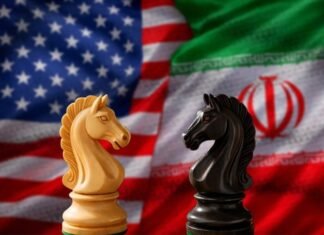
On Wednesday, a representative of Russian President Vladimir Putin met with American negotiators in Florida. This marked the first discussions since the onset of the conflict involving the United States and Israel against Iran. The meeting was significant given the ongoing geopolitical tensions in the region.
Steve Witkoff, the special envoy for former President Donald Trump, confirmed that the teams engaged in a broad range of discussions. They not only covered current issues but also agreed to maintain open lines of communication moving forward. This meeting coincided with a notable shift in U.S. policy, as the administration decided to lift some sanctions on Russian oil exports. These sanctions had been imposed following Russia’s invasion of Ukraine, but the recent changes were aimed at stabilizing oil prices amidst the escalating conflict with Iran.
Former President Trump highlighted that President Putin expressed a desire to be „helpful” regarding the complexities of the Middle East situation. This statement reflects a strategic pivot, with both nations recognizing the mutual benefits of cooperation in a region fraught with conflict. Kirill Dmitriev, the Russian negotiator at the meeting, characterized the talks as “productive,” extending his gratitude to the American hosts, including prominent figures like Jared Kushner and Josh Gruenbaum.
The backdrop of this meeting is critical to understanding its implications. The Israel-Iran dynamic is increasingly volatile, with both nations involved in a series of confrontations. The United States, alongside its ally Israel, is focused on countering Iran’s influence in the region, particularly concerning its nuclear ambitions and support for various militant groups. Russia’s role, potentially as a mediator or supporter, adds another layer to the intricate geopolitics of the Middle East.
The lifting of sanctions on Russian oil is particularly noteworthy. It reflects a pragmatic approach by the U.S., aiming to address domestic economic pressures, specifically rising fuel prices, while simultaneously navigating the complexities of international relations. This balancing act demonstrates the Biden administration’s attempt to address both immediate economic needs and long-term strategic goals.
Looking ahead, the continuation of dialogue between the U.S. and Russia could lead to further negotiations regarding various conflicts in the Middle East. Both nations have significant stakes in the region, and their collaboration could play a vital role in shaping future outcomes. However, the path forward remains fraught with challenges, as both sides must reconcile their strategic interests with the pressing realities on the ground.
As these discussions unfold, the broader implications of U.S.-Russia relations, particularly within the context of the Middle East, will be closely monitored by global observers. The potential for collaboration or confrontation will significantly influence the ongoing situation and could have lasting consequences on international stability. Ultimately, this meeting serves as a reminder of the complex web of alliances and adversarial relationships that define modern geopolitics.