On Friday, military prosecutors conducted a search at the Department for Emergency Situations (DSU), seizing documents and mobile phones as part of an ongoing investigation. This inquiry, categorized as „in rem,” focuses on potential irregularities concerning bonuses provided to military doctors, public procurement processes, and hiring practices within the organization. Sources from G4Media and Observator indicated that the investigation has raised serious concerns about the operational integrity of the DSU.
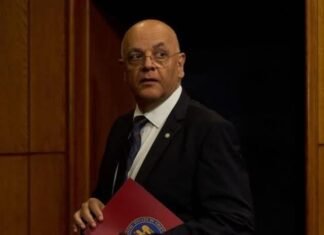
Raed Arafat, the head of the DSU, chose not to provide specific details about the investigation when approached by reporters. He stated that the institution would release an official statement regarding the matter soon. When pressed further, Arafat also avoided confirming whether he himself was among those targeted by the seizure of phones, emphasizing that the information relevant to the case was still under review. His reluctance to comment on the investigation reflects the sensitive nature of the allegations and the ongoing legal processes involved.
This investigation into the DSU has implications for various sectors, especially healthcare and emergency services, given the organization’s critical role during crises. The scrutiny surrounding bonuses awarded to military doctors suggests potential mismanagement of funds or breach of policy that could affect the morale and trust within the institution. Public procurement processes also fall under the magnifying glass, raising questions about the legitimacy and transparency of past contracts and expenditures.
The DSU, which operates under the Ministry of Internal Affairs, has been pivotal in managing emergency responses in Romania, particularly during natural disasters and public health crises. Thus, any findings from this investigation could have far-reaching consequences, not only for the leadership within the DSU but also for emergency response capabilities across the country. As such, the public and other stakeholders are keenly awaiting the formal statement from the department to understand the outcome of the investigation.
With the backdrop of these developments, it is important to consider the broader implications for governance within public institutions in Romania. The need for accountability in public service, especially in sectors critical to public safety, cannot be overstated. This investigation serves as a reminder of the importance of transparent practices and the need for mechanisms that ensure integrity within public institutions. The results could prompt a re-evaluation of policies regulating public procurement and employment practices, aiming to prevent future occurrences of similar issues.
In the meantime, Arafat’s leadership remains in a precarious position, with the investigation potentially impacting not only his career but also the overall public perception of the DSU. The public is increasingly aware of the necessity for accountable governance, especially in sectors that directly affect their safety and well-being. It remains to be seen how this situation will unfold and what measures will be taken to restore trust in the DSU and its operations.
As the situation develops, the DSU’s commitment to transparency and accountability will be put to the test, highlighting the crucial balance between operational secrecy during investigations and the public’s right to be informed about the functioning of entities that significantly impact national emergency management.