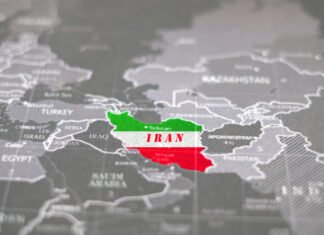
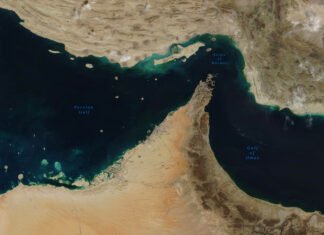
The stock markets in the Gulf states have shown varied performances since the onset of the conflict in the Middle East, as investors react to fluctuations in oil prices and ongoing geopolitical uncertainties. This divergence highlights the complex landscape of regional markets amid crisis conditions.
Since March 1, the Oman stock index has seen a substantial rise of 9.3%, indicating a healthy influx of capital. In comparison, Saudi Arabia’s Tadawul index has also experienced significant gains, climbing by 5.8%. This increase is largely attributed to the recent surge in oil prices, which have stabilized around $100 per barrel. Analysts note that maintaining prices above $80 is particularly advantageous for Saudi Arabia, contributing to investor confidence in the region.
In stark contrast, the Dubai Financial Market (DFM) index has witnessed a sharp decline of nearly 16%, reflecting more cautious investor sentiment amidst regional uncertainty. The Qatari market has taken a hit as well, with losses around 4%, while Bahrain’s market has decreased by approximately 7.2%. These declines suggest that while some investors are finding reasons for optimism in specific markets, others remain apprehensive about the broader geopolitical situation.
Oman’s market growth can further be attributed to increased capital inflows from investors seeking safer havens amid geopolitical strife. This behavior underscores a trend where investors are actively looking for opportunities while maintaining a cautious stance. The variations in market performance between the different Gulf states indicate that regional economic factors, along with global oil price fluctuations, play a critical role in shaping market sentiment.
Despite the slight recovery seen in Dubai’s index, analysts are urging caution. They warn that any rebounds could be short-lived, contingent on how geopolitical tensions evolve. As these tensions continue, investors appear to be adopting a wait-and-see approach, which reflects a broader sentiment of uncertainty. They are inclined to remain on the sidelines until the geopolitical landscape becomes clearer.
In summary, the Gulf stock markets have exhibited a mix of resilience and vulnerability in light of recent conflicts in the Middle East. While some indices have thrived, buoyed by robust oil prices and capital inflows, others have struggled under the weight of market apprehension. This ongoing volatility calls for careful monitoring by investors, who are wary of making hasty decisions amidst a rapidly changing geopolitical context. As the situation unfolds, staying informed and prepared to adapt strategies will be crucial for navigating this complex market environment.
In conclusion, while certain markets like Oman and Saudi Arabia are currently flourishing, the overall landscape remains fraught with uncertainty. Investors are advised to approach opportunities with caution and remain vigilant of developments that could impact market conditions in the Gulf region. As current dynamics unfold, adapting investment strategies in response to changes in the geopolitical climate will be essential for capitalizing on potential opportunities while mitigating risks.