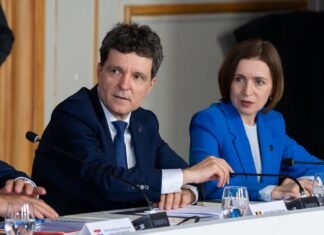
The Ministry of Finance in Romania is actively working on an emergency ordinance aimed at implementing a dynamic excise duty mechanism for fuels. This initiative was announced by Minister Alexandru Nazare following the Eurogroup meeting. The primary goal of this mechanism is to mitigate rising fuel prices at the pump, allowing the government to better respond to external shocks and adjust excise taxes based on international fluctuations.
Nazare emphasized the necessity of coordinating with European partners to alleviate the ongoing energy crisis’s effects. This coordination is particularly critical in light of the current economic landscape, which poses greater challenges than those experienced in 2022. The proposal represents a proactive approach to managing the economic hurdles that Romania is facing, amidst increased energy prices globally.
Furthermore, the Romanian government plans to adopt cautious measures that prioritize budgetary discipline and fiscal consolidation objectives. These efforts aim to ensure that while addressing immediate economic challenges—such as increased energy costs—the state remains financially responsible. The dynamic excise duty mechanism is designed to be a targeted response that can adapt to the rapidly changing international market conditions, helping to shield Romanian consumers and businesses from sudden price spikes.
The Minister’s statements reflect a commitment to balancing short-term responses with long-term fiscal responsibility. By adjusting excise duties as needed, Romania hopes to not only cushion the impact on consumers but also stabilize its economy in a turbulent global environment. This flexible approach is essential, especially in times when energy supply and demand can shift dramatically due to geopolitical tensions, natural disasters, or other unforeseen events.
In addition, it’s crucial for Romania to engage with its European counterparts in these discussions. The global interdependence of energy markets means that actions taken by one country can have ripple effects across the continent. Effective coordination with other EU member states will help ensure that responses to the crisis are not only effective but also equitable, preventing any one nation from bearing an unfair burden.
As the government rolls out these measures, it remains focused on implementing solutions that are not only immediate but also sustainable. The aim is to provide temporary relief to Romanian households and businesses while safeguarding the country’s economic health for the future. By carefully navigating these challenges, Romania hopes to emerge stronger, maintaining its fiscal stability while supporting its citizens during this difficult period.
In summary, the proposed dynamic excise duty mechanism stands as a crucial part of Romania’s strategy to combat rising fuel prices and manage the economic pressures stemming from the broader energy crisis. As the Ministry of Finance works on finalizing the ordinance, the government is committed to ensuring that Romania remains resilient, disciplined in its budgeting, and proactive in its approach to economic challenges. This combination of timely intervention and strategic coordination with European partners could be pivotal in fostering a stable economic environment as the nation continues to confront current and future economic uncertainties.