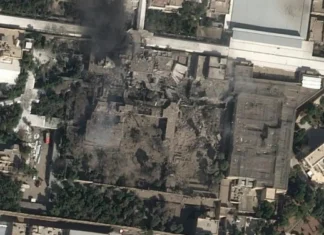
The initial wave of attacks by the Israel Defense Forces (IDF) targeted numerous radar systems and anti-aircraft defenses across Iran, particularly in areas near Israel and around Tehran. A video released by the IDF highlights two significant waves of assaults. During the second wave, Israeli air forces specifically aimed at Iran’s ballistic missile infrastructure. The objective was to diminish Iran’s ability to launch attacks on Israel effectively.
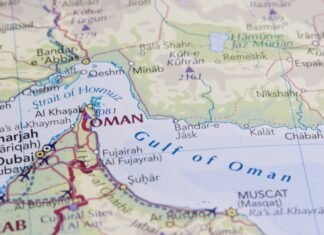
In the vicinity of Tabriz, Israeli forces successfully destroyed a critical launch site used by Iran for ballistic missile operations. Following these strikes, there were reports of explosions in western Tehran and the city of Bushehr, home to a nuclear power plant. While the exact cause of these explosions remains uncertain, they have coincided with recent joint operations conducted by the United States and Israel against Iranian targets. These attacks have sparked retaliatory measures from Tehran, escalating tensions in the region.
The IDF’s strategic moves are part of a broader effort to assert air superiority and deter potential future assaults from Iran. By neutralizing key military infrastructure, Israel aims to significantly reduce threats emanating from its adversary. The destruction of missile launch facilities and anti-aircraft systems serves a dual purpose: not only does it diminish Iran’s immediate military capabilities, but it also sends a strong message regarding Israel’s readiness to protect its territory.
This ongoing conflict highlights the complexities and dangers of military engagements in the region. With both nations on high alert, the balance of power remains precarious. Israel’s coordinated attacks underscore its commitment to national security, while Iran’s responses illustrate its resolve to defend its sovereignty. The situation is further complicated by the involvement of other global powers, notably the United States, which continues to play a pivotal role in shaping the dynamics between Israel and Iran.
The military actions taken by Israel have sparked international discussions about the potential for escalated conflict. Analysts express concern that ongoing hostilities could lead to wider regional instability, affecting not only the two countries directly involved but also their allies and neighboring states. The geopolitical implications of these attacks extend beyond immediate military strategy, raising questions about long-term security and peace in the Middle East.
As the situation develops, both nations must navigate a landscape fraught with high stakes and the potential for miscalculations. Diplomatic engagements and negotiations might provide a pathway to deescalate tensions, yet the prospects for lasting peace appear uncertain amid such aggressive military posturing.
The evolving crisis emphasizes the need for a nuanced understanding of the regional power dynamics and the historical grievances that continue to fuel conflicts. Strategic military movements are emblematic of deeper issues that require careful consideration and response from the international community. As events unfold, the eyes of the world remain focused on the escalating tensions between Israel and Iran, with the hope for a resolution that ensures stability and security for all parties involved.