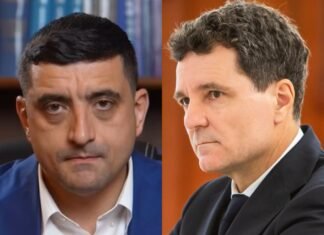
In a recent statement regarding the legal frameworks governing electoral processes, Nicușor Dan emphasized the challenges posed by current legislation. He used the case of Diana Șoșoacă as an example to illustrate his concerns, highlighting a ruling made by the Constitutional Court of Romania. According to Dan, the court’s decision to disqualify Șoșoacă from running in elections was a correct interpretation of existing laws. However, he also raised ethical concerns about the implications of such legal provisions on democratic principles.
Dan pointed out that while the law grants the Constitutional Court the authority to make such decisions, he believes it undermines democratic integrity. The essence of democracy lies in the ability of citizens to participate in the electoral process fully. By allowing legal interpretations that can lead to disqualifications, the system risks disenfranchising voters and limiting their choices. This concern is particularly valid in a political climate where the voices of all constituents should ideally be given equal weight.
Furthermore, Dan underscored the importance of reviewing and potentially revising the legal mechanisms in place for future elections. He argued that a thorough examination of the electoral laws is crucial to ensure they align with democratic ideals. The need for transparent and fair processes cannot be overstated in maintaining public trust in political institutions.
The implications of the Constitutional Court’s decision extend beyond individual candidates; they reflect broader issues within the electoral system. As such, the political discourse must evolve to address these fundamental concerns. Dan’s call for reform is not just about individual cases but about recalibrating the legal structure to promote genuine representation.
As we look ahead to future elections, it is essential for lawmakers, political leaders, and civil society to engage in open dialogues about the electoral laws. This collaborative approach can help identify areas for improvement, ensuring that the electoral process remains robust and inclusive. Engaging with citizens through public consultations and discussions will not only enhance the legitimacy of the electoral framework but also empower voters by making them stakeholders in the political process.
In summary, while the ruling by the Constitutional Court regarding Șoșoacă’s candidacy was legally sound, it highlights significant democratic challenges that need to be addressed. Nicușor Dan is advocating for a reassessment of electoral laws to better reflect the principles of democracy. It is imperative for the political community to take these concerns seriously and work collectively towards an electoral system that prioritizes inclusivity and fairness. Only through such efforts can the integrity of the democratic process be safeguarded, ensuring that every voice is heard and represented in future elections.